All About Methylene Blue
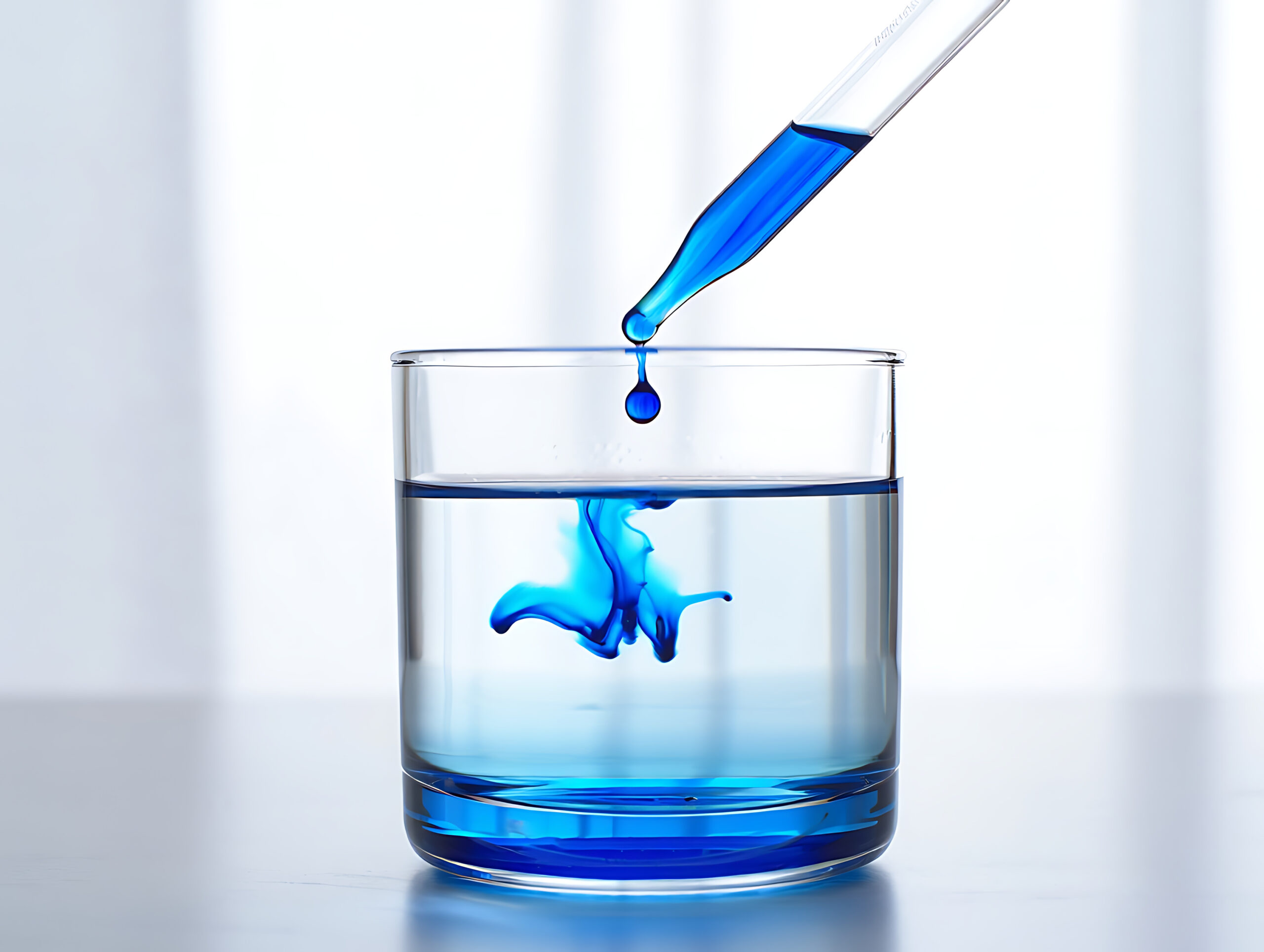
Bright blue in colour and over 140 years old, methylene blue is one of the oldest synthetic medicines still used today. Although many people know it simply as a laboratory stain or textile dye, methylene blue has a long history in medicine and is attracting renewed interest for its potential effects on energy production, brain health, healthy aging, and even cancer research.
So why has this century-old compound become the focus of so much attention?
What is methylene blue?
Methylene blue is a synthetic compound first developed in Germany in 1876 as a textile dye. Scientists soon discovered that it had unique biological properties, making it useful for staining bacteria under the microscope and eventually becoming one of the first synthetic drugs used in medicine. It was even used to treat malaria before modern antimalarial drugs became available.
Today, pharmaceutical-grade methylene blue remains an approved medication for treating methemoglobinemia, a rare condition in which red blood cells lose their ability to carry oxygen effectively. It is also used during certain surgical procedures to stain tissues and identify lymph nodes.
Unlike most medications, methylene blue doesn’t work by binding to a single receptor. Instead, it acts as a redox molecule, meaning it can both accept and donate electrons. This unique property allows it to participate in the body’s energy production systems, particularly within the mitochondria.
Often referred to as the “powerhouses” of our cells, mitochondria generate ATP, the molecule that supplies energy for virtually every cellular process (you can learn more about the mitochondria in our Harmova Health blog post [HERE]).
When mitochondria become inefficient, cells produce less energy and more oxidative stress. This has been associated with aging and numerous chronic diseases.
Research also suggests that methylene blue acts as an alternative electron carrier within the mitochondrial electron transport chain, helping maintain ATP production while reducing oxidative stress under certain conditions.
Why our clients are so interested
Because mitochondria play a central role in human health, methylene blue helps across a wide range of conditions:
- Supporting mitochondrial energy production
- Reducing oxidative stress
- Improving cognitive function
- Neuroprotection in Alzheimer’s and Parkinson’s disease
- Recovery following brain injury
- Healthy aging and longevity
- Certain infectious diseases
- Cardiovascular support
Methylene Blue and cancer
Cancer cells often have altered mitochondrial function and generate energy differently from healthy cells. Because methylene blue influences mitochondrial electron transport and cellular redox balance, it’s shown to disrupt some of these abnormal metabolic pathways.
Another exciting area is photodynamic therapy (PDT): When methylene blue is exposed to specific wavelengths of red light, it becomes activated and produces reactive oxygen species capable of damaging nearby cells. Due to this, it’s being used in certain accessible cancers and precancerous lesions, where light can be directed precisely at the affected tissue.
Other studies have also shown that methylene blue:
- Increases oxidative stress within certain cancer cells
- Affects mitochondrial function
- Promotes programmed cell death (apoptosis)
Many integrative practitioners view methylene blue as a promising compound that can play a supportive role within a comprehensive treatment protocol.
Pharmaceutical grade matters
As methylene blue has gained popularity online, numerous industrial and aquarium-grade products have appeared on the market. Much like ivermectin often being used for animal health, accessing these products must be purchased specifically for human consumption.
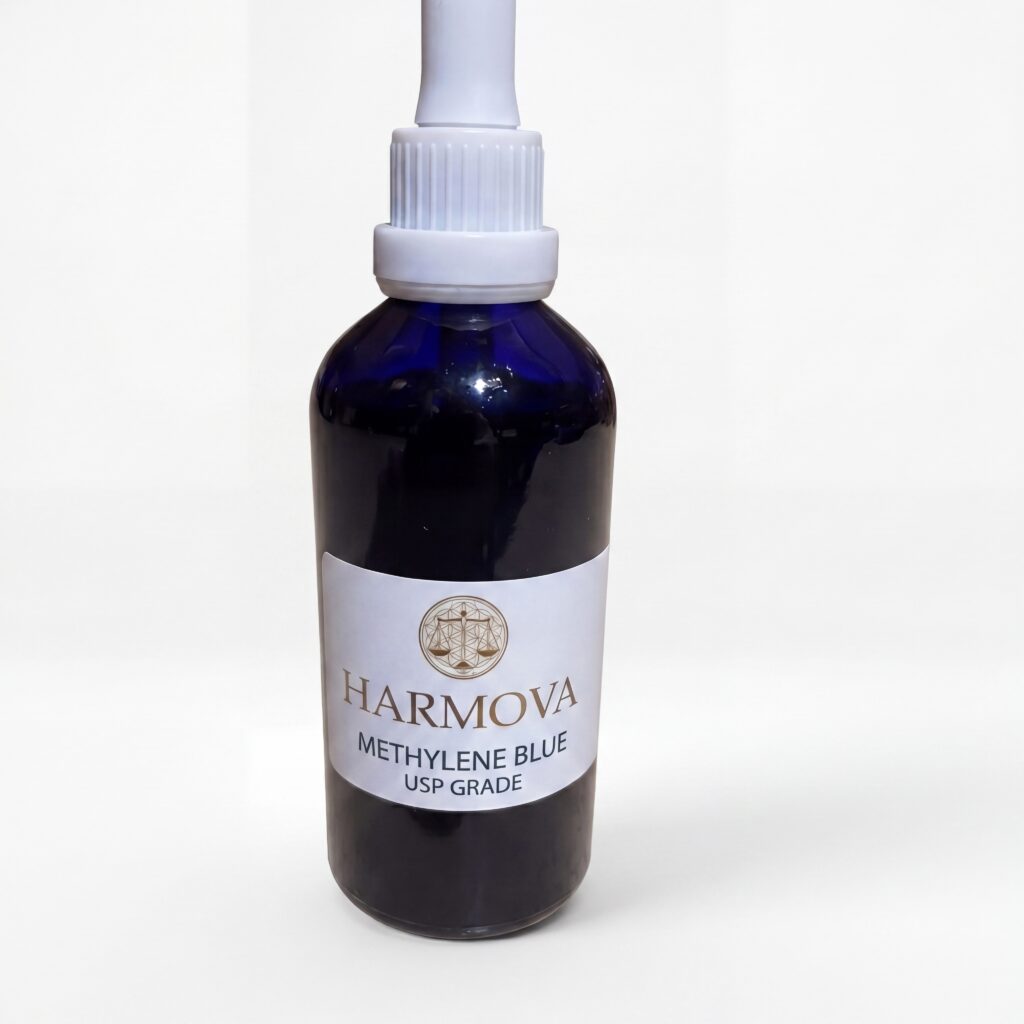
Only pharmaceutical-grade methylene blue is manufactured to medical quality standards with tightly controlled purity and contaminant testing. Industrial products may contain heavy metals or other impurities that make them unsuitable for oral use.
Just because two products are labelled
“methylene blue” doesn’t mean they
meet the same manufacturing standards.
Who should avoid methylene blue?
Although generally well tolerated when prescribed appropriately, methylene blue is not suitable for everyone.
It may interact with antidepressants that increase serotonin levels, potentially leading to serotonin syndrome. It can also cause serious complications in people with G6PD deficiency, and it may not be appropriate during pregnancy or for individuals taking certain medications. For these reasons, methylene blue should always be used under the guidance of a qualified healthcare practitioner.
One thing is clear: methylene blue is far more than a blue dye. It is a unique molecule with remarkable biological properties and growing potential as part of evidence-informed, integrative healthcare.
As with any therapeutic compound, the greatest benefits come from using the right product, at the right dose, for the right person, under appropriate professional guidance. Please reach out if you have questions.