
Mitochondria – and the role of repurposed medications
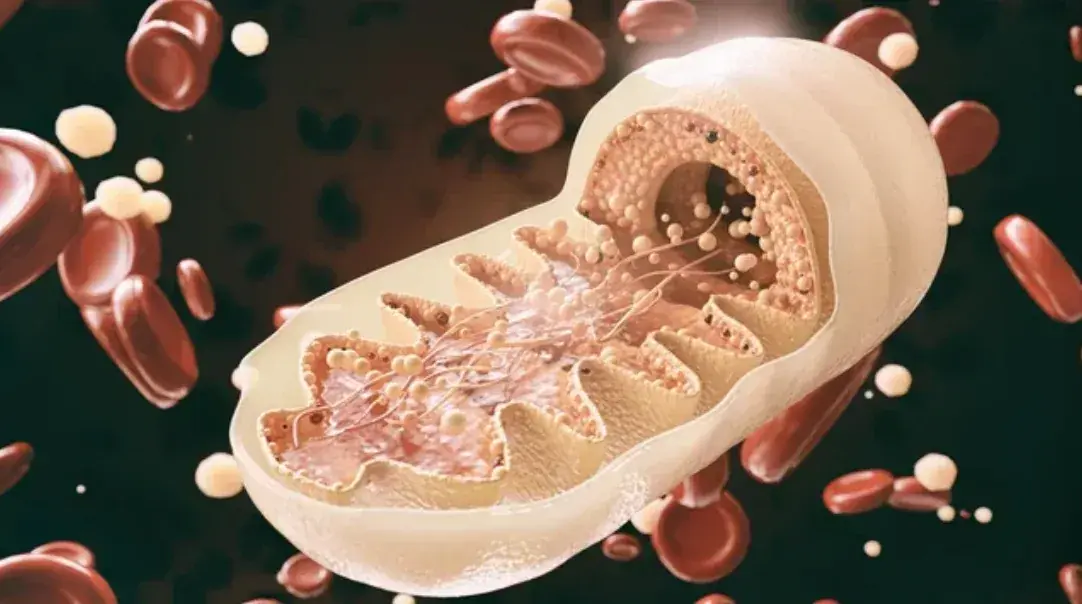
Inside nearly every cell in the body are tiny structures called mitochondria. While they’re often described as “energy producers,” that description only scratches the surface.
Mitochondria convert the food we eat and the oxygen we breathe into a usable form of energy known as ATP (adenosine triphosphate). This energy fuels everything from muscle movement to brain function to cellular repair. Without it, even the most basic processes begin to slow.
But their role goes much deeper: Mitochondria are highly responsive to their environment – they sense stress, nutrient availability, toxin exposure, and even emotional signals. In response, they adjust how much energy is produced, how cells communicate, and whether a cell should repair itself or be broken down and replaced. In many ways, they act less like simple “power generators” and more like intelligent regulators of cellular health.
When mitochondria are supported, the body tends to feel resilient, strong, and adaptable. When they’re under strain, the effects can ripple outward, showing up as fatigue, inflammation, and a reduced ability to recover.
Understanding their role shifts the conversation away from ‘quick fixes’ and toward something more foundational: creating the internal conditions where the body can function as it was designed to.
More than just “energy factories”
Mitochondria regulate far more than ATP production. They sit at the centre of:
- cellular energy metabolism
- oxidative stress balance
- apoptosis and cellular turnover
- immune signalling
- detoxification pathways
When they’re under strain, the body doesn’t just feel “tired” – systems begin to compensate in ways that show up as chronic symptoms.
This is why mitochondrial health keeps surfacing in conversations around fatigue, inflammation, and even more complex conditions.
What disrupts mitochondrial function
At Harmova Health, we often have clients ask which factors may affect optimal mitochondrial function. Rather than jumping straight into interventions, it’s often more revealing to look at factors that may impair them in the first place, such as:
- environmental toxins and heavy metals (ie. pesticides, air pollution, mercury from fish, lead exposure)
- chronic infections and microbial burden (ie. gut imbalances, parasites, lingering viral infections)
- persistent inflammation (ie. ongoing gut irritation, autoimmune responses, chronic stress)
- nutrient insufficiencies – especially magnesium, B vitamins, CoQ10 (ie. low leafy greens intake, depleted soils, poor absorption)
- prolonged stress signalling (ie. long-term emotional stress, poor sleep, overtraining)
From a terrain perspective, mitochondria reflect the overall state of the internal environment; they don’t operate in isolation.
Where ivermectin enters the conversation
Ivermectin is traditionally used as an antiparasitic, yet it can be discussed in broader contexts given growing interest in human-grade use. Research and clinical discussion have pointed to ways it may:
- influence mitochondrial activity in certain cell types (changes how some cells produce and use energy)
- modulate inflammatory signalling pathways (adjusts how the body sends and controls inflammation signals)
- impact cellular ion channels and transport mechanisms (alters how minerals and electrical signals move in and out of cells)
It also plays an important role in cancer cell metabolism, where mitochondrial disruption is part of the therapeutic target – which is very promising for individuals struggling with various forms of cancer, for example.
Why this topic matters
The interest around repurposed medications highlights something very important: People are looking beyond symptom management and asking deeper questions about cellular function and the root cause of illness – and that shift is valuable because it opens the door to more grounded approaches that genuinely support mitochondrial health, such as:
- restoring nutrient status
- reducing toxic load
- supporting circadian rhythm and light exposure
- addressing chronic stress patterns
- improving metabolic flexibility
There’s an important conversation growing with compounds such as Ivermectin, that influence cellular energy, and understandably so, as the mitochondria sit at the centre of how we feel, function, and heal.
For further inquiries about how Ivermectin may help in your specific situation, please contact our Harmova Health team.