Why we avoid polysorbate 80 in ivermectin
When we look more closely at the ingredients found in pharmaceuticals, veterinary medicines, and everyday personal-care products, we begin to understand that the active ingredient is only one part of the formulation. The other ingredients, often referred to as excipients, may serve important technical purposes, helping a product dissolve, remain stable, maintain a uniform consistency, or deliver its active ingredient as intended.
(More on excipients in our previous blog post [HERE]).
One such ingredient is polysorbate 80, a widely used ingredient found in a range of pharmaceutical preparations, cosmetics, and certain food products – including many (if not most) liquid ivermectin formulations that are animal-grade, and even in some human-grade ones sold around the world. Polysorbate 80’s synthetic manufacturing process, potential for adverse reactions, and presence in products intended for both human and veterinary use are definitely subject of discussion among people who take a more cautious approach to the substances they introduce into their bodies.
What exactly is polysorbate 80?
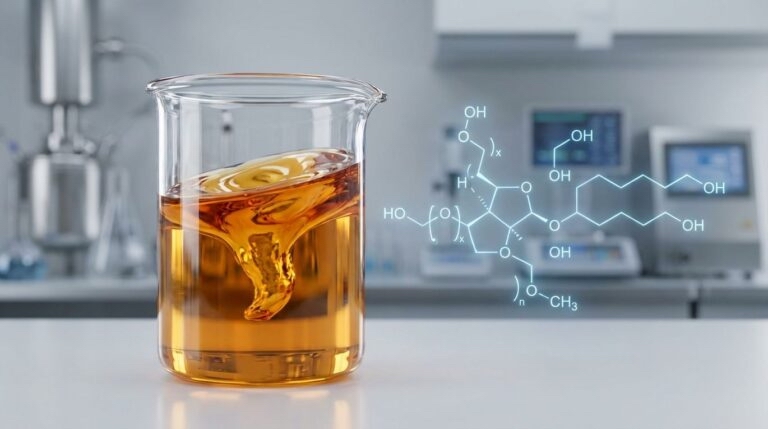
Polysorbate 80, also known as polyoxyethylene (20) sorbitan monooleate or by its trade name, Tween 80, is a non-ionic surfactant. In simple terms, it helps ingredients that would not ordinarily mix well, such as oil and water, remain dispersed within the same formulation – and it’s very inexpensive.
One of the issues with polysorbate 80 is that it is not simply a plant oil or a naturally occurring emulsifier extracted in its finished form. Its manufacture involves a series of chemical reactions. Sorbitol, a sugar alcohol commonly derived from carbohydrate feedstocks, is processed to produce sorbitan and related compounds. These are reacted with fatty acids, primarily oleic acid, to form sorbitan esters. The resulting material is then reacted with ethylene oxide in a process known as ethoxylation.
Ethylene oxide is a reactive industrial chemical used to introduce polyoxyethylene groups into the structure. Trace impurities and degradation products are also typically present. These characteristics have been documented in analytical research examining its chemical composition. This manufacturing process may be one reason to favour alternatives where they are suitable and available: such as our ivermectin tablets rather than liquid forms of ivermectin, as tablets do not contain polysorbate 80.
Why should we avoid polysorbate 80?
When it comes to your health, it’s imperative to avoid unnecessary exposures to toxins, choosing ingredients with understandable origins, and considering the cumulative role of diet, personal-care products, medications, and the surrounding environment in overall wellbeing.
From this perspective, polysorbate 80 raises several questions.
First, its manufacturing process is highly industrial. Ethoxylation is a chemical modification process, and polysorbate 80 is a complex mixture rather than a minimally processed botanical ingredient. People who prefer cleaner formulations — as we all should — are recommended to avoid polysorbate 80 especially since a cleaner alternative exists.
Second, its chemical complexity matters to ingredient quality. Research has shown that polysorbate 80 contains multiple related compounds, and that its composition and degradation can vary. Oxidation and hydrolysis may affect its properties over time, which is why pharmaceutical manufacturers monitor raw-material quality, stability, and storage conditions.
Third, excipients deserve consideration in their own right. As we previously discussed in [THIS POST], formulation is more than its active ingredient. People with health challenges, including compromised immunities, should always avoid exposure to ingredients that are petroleum derived, such as polysorbate 80 because ingestion can:
– Degrade the gut mucus barrier
– Induce Leaky Gut (intestinal permeability)
– Disrupt the gut microbiome (dysbiosis)
– Promote metabolic syndrome and inflammatory comditions, and
– Be extremely concerning via the gut-brain axis (penetrate the blood-brain barrier), accelerating neuroinflammation and cognitive decline.
These are a few of the reasons why at Harmova Health, we focus on ivermectin tablets in human-grade form.
Can polysorbate 80 cause sensitivity or adverse reactions?
Yes, polysorbate 80 has been associated with hypersensitivity reactions in many individuals. Published medical literature includes reports of allergic-type reactions, including rare serious reactions, associated with certain polysorbate-containing medicines.
What about the body during a period of healing?
When someone is fighting dis-ease or recovering from an illness, managing a chronic condition, or undergoing medical treatment, it is advisable to become more attentive to the ingredients in medicines, supplements, foods, and personal-care products.
A reasonable approach can support this awareness by encouraging thoughtful questions: What is this ingredient doing in the formulation? Is it necessary for the product to function as intended? Are there suitable alternatives? What is known about its safety at the intended dose and by the intended route? Is there a history of individual sensitivity? The aim should be informed, individualized decision-making rather than fear of every unfamiliar ingredient.
An informed approach to ingredients
At Harmova Health, we are proud to avoid toxic ingredients such as polysorbate 80. For this reason, we offer ivermectin in tablet form, which has been specifically manufactured in our labs for human use. And for those of us who believe that informed choices are an important part of health sovereignty, we are proud to support your healthcare needs in Canada and the US.