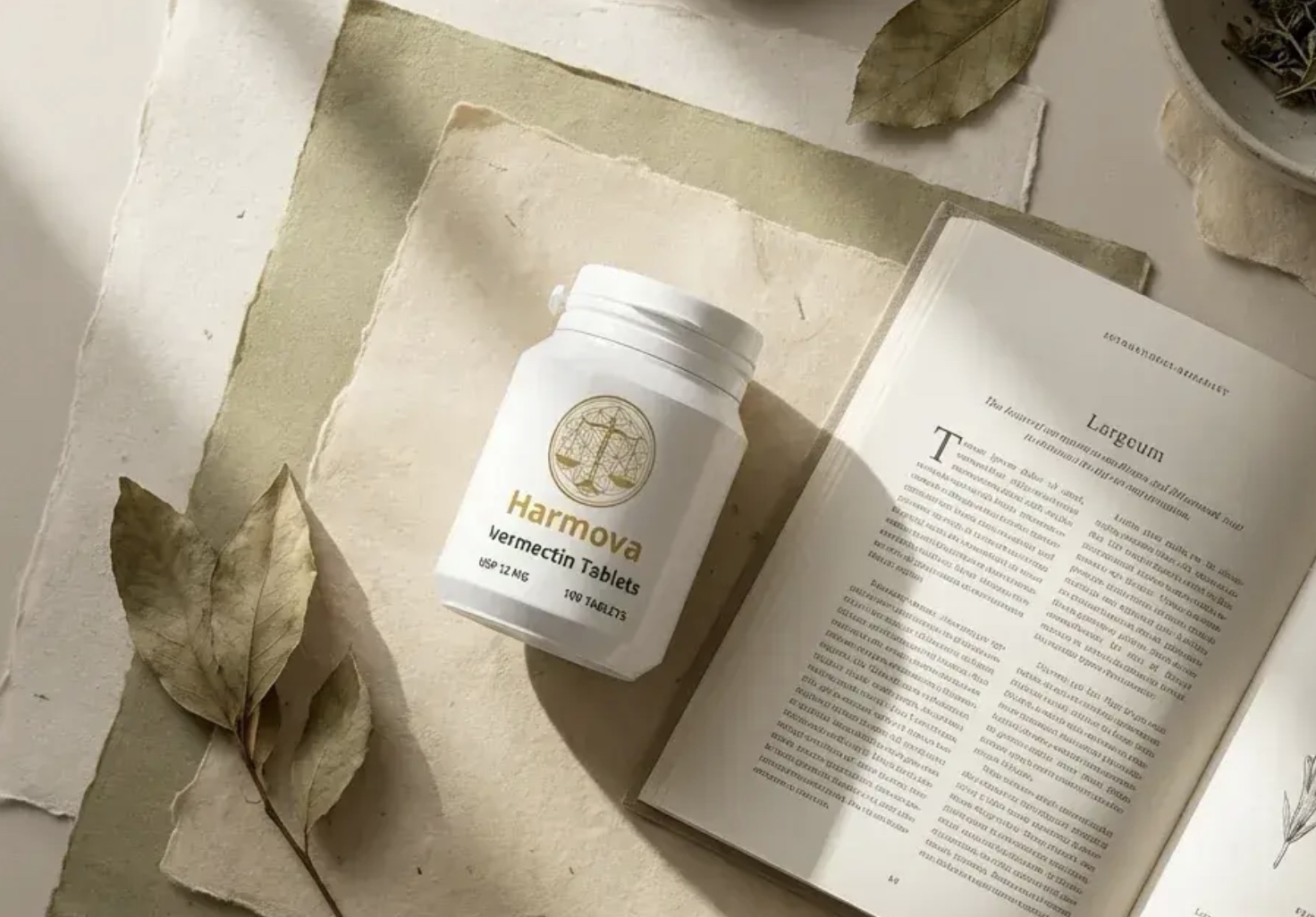
How a herbal anti-parasitic plan differs from Ivermectin in cancer
Conversations around parasites and cancer have become increasingly common within the integrative health community.
Many practitioners and researchers have proposed that chronic parasitic infections, along with other microbial burdens, may contribute to inflammation, immune dysregulation, and an internal environment that is less supportive of health. This has encouraged many people to explore anti-parasitic approaches as part of a broader wellness strategy to heal their cancer.
One of the most common questions we receive is whether a natural herbal parasite cleanse is essentially the same as taking ivermectin.
The short answer is NO.
Although both approaches have been used with the goal of reducing parasitic burden, they work in fundamentally very different ways. More importantly, ivermectin has attracted interest in cancer research for reasons that extend well beyond its anti-parasitic properties.
The traditional herbal approach
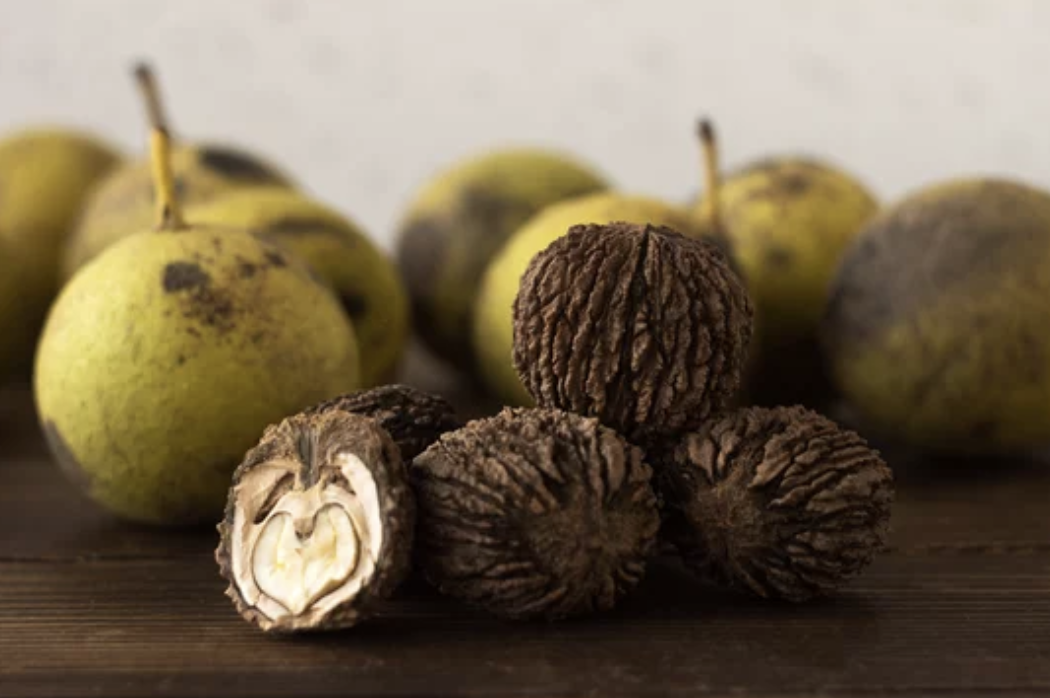
For decades, herbalists and holistic practitioners have recommended combinations of wormwood (Artemisia absinthium), black walnut hull (Juglans nigra), and clove (Syzygium aromaticum) as part of a natural parasite cleansing program.
Each herb has traditionally been chosen for a different purpose:
Wormwood has long been valued for creating an environment that is less favourable for certain intestinal parasites. Black walnut hull has traditionally been used to support digestive health and has demonstrated antimicrobial activity in laboratory studies. Clove is commonly included because it contains eugenol, a naturally occurring compound that has shown antimicrobial and antioxidant properties and has traditionally been used to complement parasite cleansing protocols.
Of course, there is much more to the herbs when combined, but together, these herbs are intended to support the body’s natural elimination processes while helping to reduce unwanted organisms within the digestive tract.
Their primary role is directed toward the parasite itself.
Why ivermectin is different
Ivermectin certainly has well-established anti-parasitic activity, but this is only one aspect of why it has become the subject of scientific interest.
Ivermectin also influences several biological pathways involved in chronic disease:
- it influences cytokine signalling and immune pathways involved in chronic inflammation (helping regulate how immune cells communicate with one another)
- interferes with mitochondrial respiration (reducing how efficiently certain cells produce energy)
- interferes with glucose transport (limiting how some cells take in sugar for fuel)
- reduces ATP production (decreasing the amount of cellular energy available)
- alters cellular redox balance (changing the balance between oxidation and antioxidant defence inside the cell)
These effects have prompted researchers to investigate ivermectin for potential applications well beyond parasitic infections, including its possible role in cancer biology. However, much of this research remains preclinical, and further human studies are needed before conclusions can be drawn about effectiveness in cancer treatment.
Why this distinction matters
If someone believes parasites contribute to their illness, it may seem logical to assume that a herbal parasite cleanse and ivermectin are interchangeable options.
They are not.
A traditional herbal protocol is primarily designed to support the body’s natural defences against parasites and to encourage healthy digestive elimination, and by doing so, boost the immune system.
Ivermectin, by contrast, has demonstrated biological effects that extend beyond parasites, influencing multiple cellular pathways that researchers believe may play roles in inflammation, metabolism, immune function, and cellular energy production.
Could they be used together?
Some integrative practitioners incorporate both herbal therapies and repurposed medications into broader wellness plans, believing they may provide complementary support through different mechanisms. This is not because one replaces the other, but because they may target different aspects of a complex biological picture.
Cancer is rarely viewed within integrative medicine as having a single cause. Instead, many practitioners consider it to involve a combination of chronic inflammation, immune dysfunction, metabolic changes, toxic burden, nutritional deficiencies, infections, emotional health, and, in many cases, parasitic or microbial factors.
Addressing only one of these factors may leave others unchanged.
There is no one-size-fits-all protocol
It’s important to state that no single supplement, herb, or medication should be viewed as a complete cancer strategy. Every person’s diagnosis, medical history, genetics, immune function, lifestyle, and goals are different. What may be appropriate for one individual may not be appropriate for another.
This is why personalized guidance is so important.
Rather than asking whether herbs are “better” than ivermectin, or vice versa, a more helpful question is whether either approach is appropriate for your unique situation, and how it fits within a comprehensive plan that addresses the many factors influencing health.
Healing is rarely about finding one magic ingredient. More often, it’s about understanding how multiple pieces work together to support the body as a whole.
If you would like to discuss your options, please contact us.