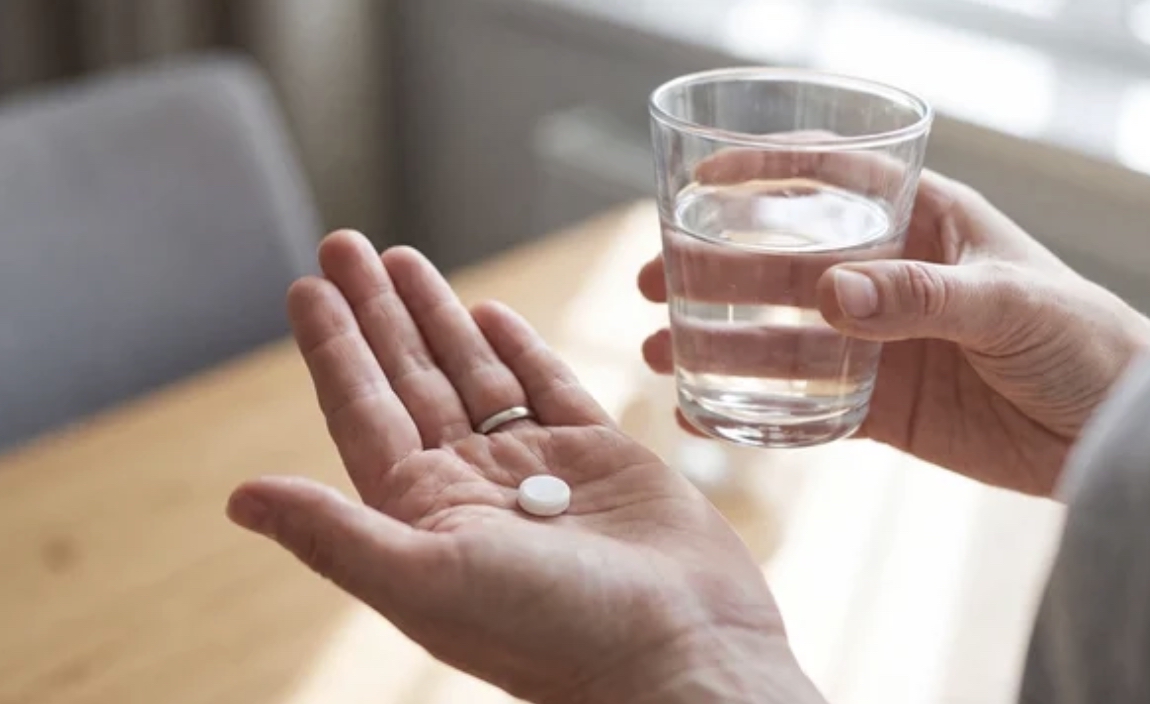
What is the proper dosage?

There is often an assumption that a standard dose should work for most people, yet in practice, responses vary widely. At Harmova Health, we see that one person feels relief, another feels nothing, and someone else experiences side effects that seem disproportionate to the dose. This isn't a flaw in medicine as much as it is a reflection of human complexity.
The myth of the "average dosage"
Dosing guidelines are built on population averages. Clinical trials determine what works for the majority, but no one actually lives as an average. Each body carries its own metabolic pace, nutrient status, toxic load, and stress profile.
Two people can take the same dose and process it in entirely different ways. Liver enzyme activity, for example, can vary significantly between individuals, altering how quickly a compound is broken down and cleared.
Even when the same amount is consumed, what the body absorbs can differ. Digestive strength, gut integrity, microbiome composition, and even hydration levels all influence how much of a medication actually enters circulation. A compromised gut may reduce absorption, while another person may absorb more rapidly than expected.
This is where formulation and excipients quietly come back into the conversation. The delivery system can either support or limit how much of the active ingredient becomes available to the body.
Body chemistry and internal environment
The internal terrain matters more than you'd realize: Factors such as inflammation, pH balance, and nutrient deficiencies can influence how a medication behaves once inside the body. A system already under stress may respond more intensely, or less predictably, than one that is well supported.
There is also the reality of cumulative exposure. Environmental toxins, previous medications, and lifestyle factors all contribute to how the body responds to something new. Variations in enzymes, particularly in the liver, can also make someone a fast metabolizer or a slow one – this means a standard dose could be too low to be effective for one person, while being excessive for another.
Timing and context
Even the same person can respond differently depending on timing – at Harmova, we see this often with our clients taking Ivermectin, for example. Sleep quality, hormonal fluctuations, stress levels, and whether a medication is taken with or without food can all influence its effect. The body is dynamic, not static.
What influences how a dose works for you
- – body weight and composition – affects distribution and dilution within the body
- – age – children, adults, and older individuals metabolize substances differently
- – diagnosis and severity – the same condition at different stages may require different dosing approaches. In the context of Ivermectin and Mebendazole for a person dealing with cancer, their dosages would be adjusted as their healing progresses
- – liver and kidney function – these organs determine how substances are processed and cleared
- – other medications or supplements – interactions can enhance or reduce effectiveness
- – food intake – some medications require food, others are inhibited by it. Ivermectin is often suggested to be taken on an empty stomach, but some clients would feel nausea and an upset stomach, so they'd be suggested to take it with a fatty food
- – gut health – impacts absorption and breakdown
- – hydration levels – influences circulation and distribution
- – stress and nervous system state – can alter metabolism and response
- – sleep quality – affects repair, detoxification, and overall responsiveness
Understanding variability shifts the conversation from blind trust in standardization to informed awareness. It also invites better questions:
- – is this dose appropriate for me, specifically?
- – what factors in my body might influence how I respond?
- – how can I support my system so this works as intended?
This is about recognizing that effectiveness is not just about the substance itself, but the person receiving it.
Personalised medicine is slowly moving into the mainstream, but many people are already sensing this gap. When outcomes vary, it becomes clear that standard dosing is a starting point, not a guarantee.
The more we understand the role of individuality, the more we move toward care that is responsive rather than rigid. If you are searching for a specific dosage for our products, we suggest having a consultation with a private healthcare provider who understands these anti-parasitic, repurposed medications, as they will have the experience and proper knowledge to advise what is best for you.