
Understanding the root of cancer recurrence
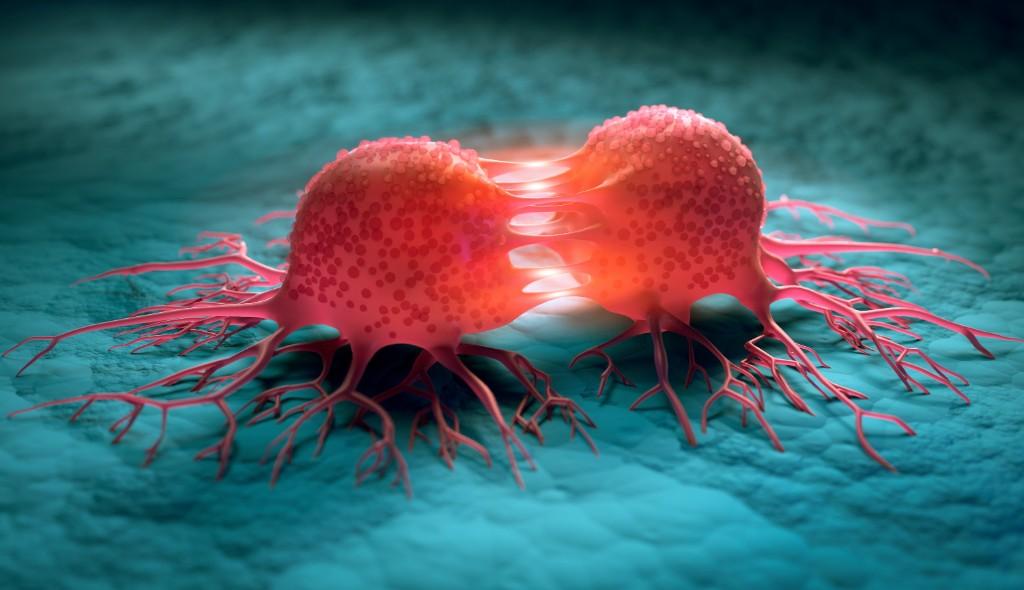
One of the most difficult questions people ask after cancer treatment is: "Why did my cancer return if the tumour was removed and the scans were clear?"
The answer may involve a highly resilient group of cells that scientists call cancer stem cells, or CSCs. These cells have become a major focus in oncology research because they behave very differently from ordinary tumour cells. While traditional treatments may often be perceived as effective at reducing visible tumour mass, cancer stem cells may still survive in the background, remaining hidden, inactive, and capable of reigniting disease progression later on.
For many researchers, this helps explain why some cancers recur months or even years after treatment appears successful.
What makes cancer stem cells different?
Not all cancer cells behave the same way. Within a tumour, there may be a very small population of cells with stem-like properties. These cells can adapt, self-renew, and generate entirely new tumour growth under the right conditions.
Rather than acting like ordinary fast-growing tumour cells, CSCs function more like a biological "command centre" for the cancer itself. This is why they play a central role in recurrence, metastasis, drug resistance and long-term survival.
Why conventional treatments do not eliminate them completely
Cancer stem cells possess unique survival mechanisms that allow them to withstand treatment in ways ordinary cancer cells cannot. In short: they can often remain dormant. Many cancer therapies - such as chemotherapy and radiation - are designed to target rapidly dividing cells. Cancer stem cells, however, temporarily enter a quiet resting phase known as quiescence. In this state, they slow down their activity and become harder to detect and destroy. Once treatment pressure is removed, they often reactivate.
- They resist chemotherapy: Certain CSCs produce transport proteins that actively remove toxic compounds from inside the cell. These proteins, called ABC transporters, are associated with multi-drug resistance in cancer research. In simple terms, some cancer stem cells may be able to eject chemotherapy compounds before enough damage occurs.
- They avoid natural cell death: Healthy cells are designed with internal mechanisms that trigger self-destruction when damage becomes severe. Cancer stem cells may interfere with these signals by increasing survival proteins such as BCL-2, which allows them to remain alive under conditions that would normally destroy damaged cells.
Why metabolism matters
Researchers are now looking beyond tumour size alone and studying the environment that helps cancer survive. This includes factors such as glucose metabolism, insulin and IGF-1 signalling, chronic inflammation, mitochondrial function, and cellular communication pathways.
Cancer stem cells appear to rely heavily on several key signalling systems, including Wnt/beta-catenin, Notch, and Hedgehog pathways. These pathways are involved in cell survival, growth, and regeneration. Because of this, metabolic and integrative oncology approaches are receiving growing attention for their potential role in supporting conventional treatment strategies.
Compounds and strategies suggested
- Curcumin: A naturally occurring compound found in turmeric that has been studied for its ability to help regulate inflammation, oxidative stress, cellular signalling pathways, and mechanisms involved in abnormal cell growth and survival.
- Thymoquinone from black seed oil: The primary active compound in black seed oil that researchers are investigating for its possible antioxidant, anti-inflammatory, immune-supportive, and cellular protective properties, particularly in relation to cancer signalling pathways and oxidative stress.
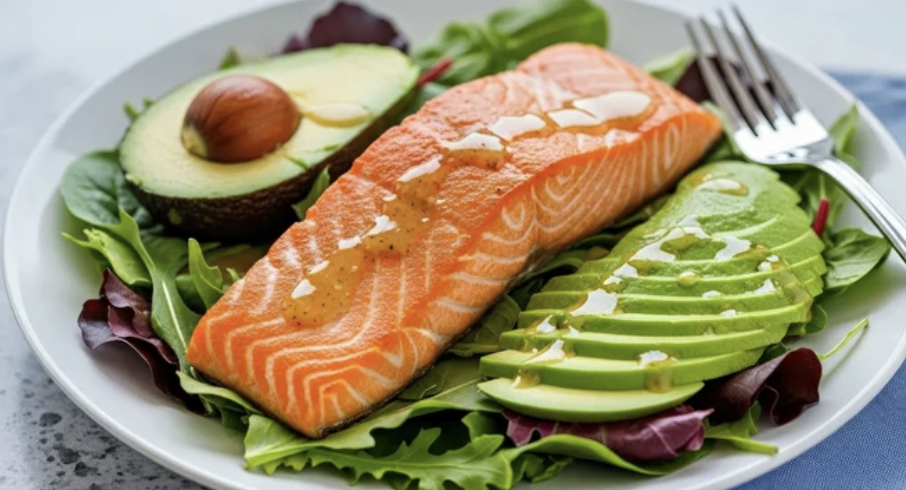
- Ketogenic nutrition approaches: A very low-carbohydrate, higher-fat nutritional strategy designed to shift the body toward using ketones for fuel instead of glucose, which researchers believe places metabolic stress on cancer cells, which rely heavily on sugar metabolism.
- Fasting and fasting-mimicking protocols: Structured periods of reduced calorie intake recommended for their potential role in lowering insulin and IGF-1 signalling, supporting cellular repair processes such as autophagy, reducing inflammation, and improving metabolic flexibility.
- Repurposed medications for metabolic effects: Existing medications, such as Ivermectin, Fenbendazole, and Mebendazole, now being used by thousands of cancer sufferers globally, for their influence on cancer metabolism, inflammation, cellular signalling, mitochondrial function, and tumour-supportive pathways.
At Harmova Health, we believe that understanding the science allows our clients to have more informed conversations with their healthcare team and explore a broader view of supportive care.
Long-term outcomes
Cancer is not simply a collection of rapidly growing cells; it is influenced by the surrounding biological terrain, immune response, inflammation, metabolism, stress signalling, and the body's overall internal environment. This is why exploring cancer through a more comprehensive lens should include conversations about:
- Cellular metabolism: This refers to how cells create and use energy to survive, grow, and repair themselves. Cancer cells often use energy very differently from healthy cells, relying heavily on glucose and altered metabolic pathways to support rapid growth and survival.
- Nutritional status: This describes whether the body is receiving the nutrients it needs to function properly. Vitamins, minerals, proteins, healthy fats, and hydration all influence immune function, tissue repair, energy production, detoxification, and overall resilience during illness and recovery.
- Immune resilience: This is the immune system's ability to respond appropriately to threats while remaining balanced and strong over time. A resilient immune system helps identify abnormal cells, manage inflammation, and support the body's natural defence mechanisms.
- Mitochondrial health: Mitochondria are often called the "powerhouses" of the cell because they produce cellular energy. When mitochondria become damaged or dysfunctional, cells may struggle to produce energy efficiently, regulate repair processes, or maintain normal cellular communication. (See our blog post about the Mitochondria here.)
- Inflammatory burden: This refers to the overall level of inflammation present in the body. While short-term inflammation is part of healing, chronic inflammation can place ongoing stress on tissues and may contribute to disease progression, immune imbalance, and cellular damage over time.
- Tumour microenvironments: A tumour does not exist in isolation; the tumour microenvironment includes the surrounding blood vessels, immune cells, connective tissue, signalling molecules, oxygen levels, and nutrients that interact with the tumour itself. This environment can either help slow cancer growth or support its survival and spread.
- Cancer stem cell behaviour: Cancer stem cells are a small group of highly adaptive cells believed to help drive recurrence, resistance, and metastasis. Their "behaviour" refers to how they survive treatment, remain dormant, repair themselves, communicate with surrounding tissues, and potentially regenerate tumour growth later on.
The goal is not only to reduce visible disease, but also to better understand the mechanisms that may contribute to recurrence over time.
CSCs are becoming one of the most important areas of modern oncology research because they help explain why some cancers return despite aggressive conventional treatments. These cells can adapt, survive under stress, remain dormant, and potentially regenerate tumour growth long after therapy ends.
As research continues to evolve, so does the opportunity to approach healing with greater awareness, education, and support. At Harmova, we are here to support our clients by providing knowledge, as well as the products to help in their cancer healing journey.
This article is intended for educational purposes only and is not medical advice. Always consult with a qualified healthcare / wellness professional regarding treatment decisions or strategies.
Sources
https://pubmed.ncbi.nlm.nih.gov/27611935/ ||| https://pubmed.ncbi.nlm.nih.gov/31355143/ ||| https://pubmed.ncbi.nlm.nih.gov/19224345/ ||| https://pubmed.ncbi.nlm.nih.gov/29681949/