Peptides · Metabolic support
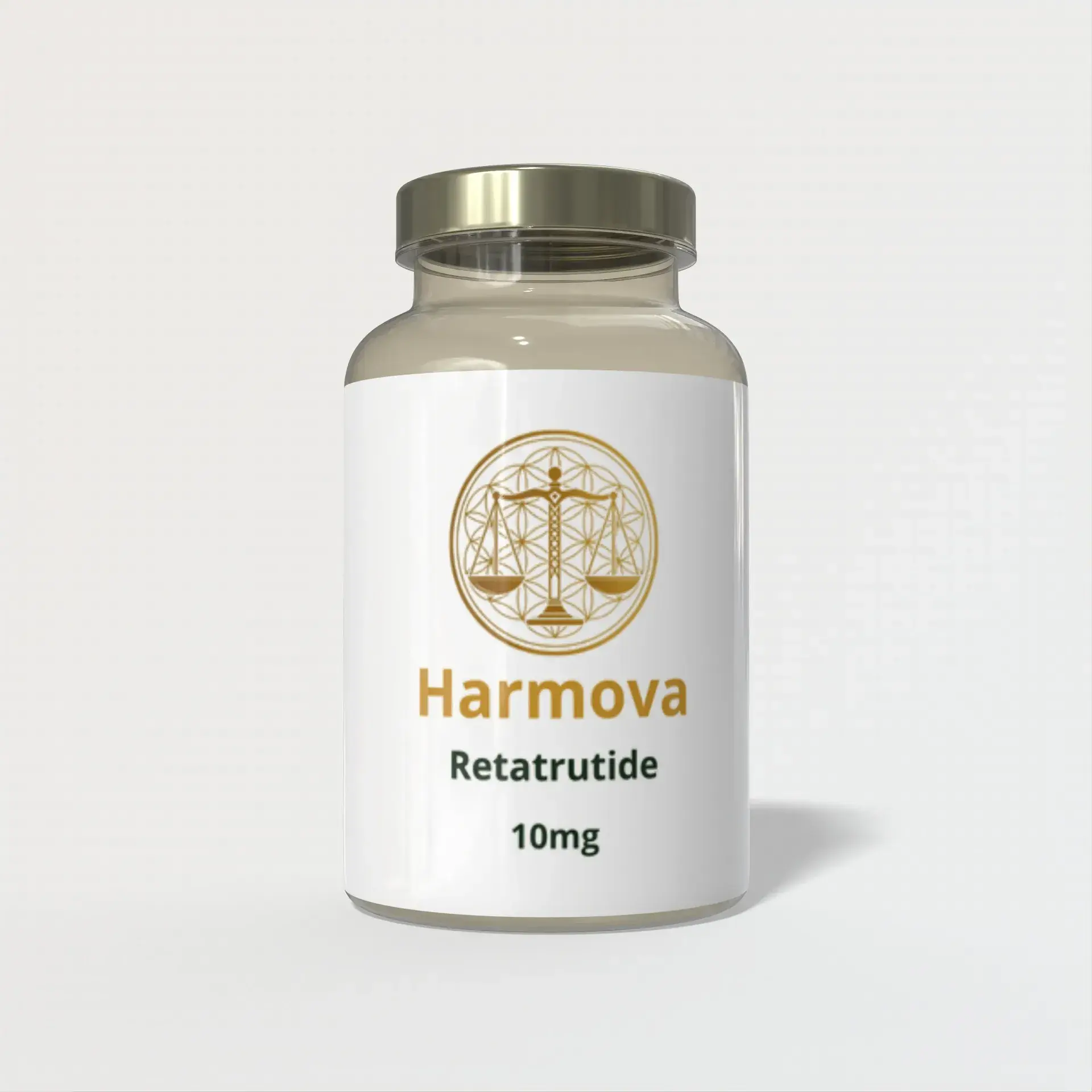
For research use onlyRetatrutide — 10mg (Canada)
Retatrutide 10mg injectable—discussed in research and late-stage trials as a triple agonist at GLP-1, GIP, and glucagon receptors for metabolic energy balance, adiposity, and glucose regulation. Syringes included. Canada only.
Not sure where to start?
Book a wellness consult to talk through protocols, dosing questions, or whether this product fits your goals.
Book a consult →Disclaimer: Photos are representative. Packaging, labeling, or physical appearance may differ slightly from what you see here, but the item we ship matches the description and specifications on this page.
Key points
- Syringes included
- Triple agonist (GLP-1, GIP, glucagon) discussed for energy balance and adiposity
- Trial literature highlights weight change and dose-response patterns
- Glucose and HbA1c themes in type 2 diabetes study populations
- Liver fat and cardiometabolic markers appear in dedicated substudies
- Tolerability profile broadly similar to other incretin-class agents
- Lean-mass preservation discussed relative to older weight-management tools
How to use
Injectable only. Use strictly as directed by a licensed prescriber who knows your history. Dosing schedules in trials often involve slow titration and extended intervals; do not adopt a protocol from third-party summaries. Report side effects promptly. Not appropriate for self-directed cosmetic or performance use.
Ingredients & specs
- Size
- 10mg
- Ships to
- Canada
- Category
- Peptides · Metabolic support
Ingredients
Batch docs: Request a certificate of analysis (CoA) or batch details from sales@harmova.health. We'll point you to the right documentation for this SKU.
How it works
A closer look at this protocol
Deep dive
Retatrutide — 10mg (Canada)
Research- or prescriber-directed injectable; use only where legally permitted and under qualified supervision. Not a substitute for individualized medical advice.
Triple-receptor design
Retatrutide is described in the scientific literature as a single molecule that engages GLP-1, glucose-dependent insulinotropic polypeptide (GIP), and glucagon receptors. That trio is thought to widen the metabolic “toolbox” compared with earlier agents that focused mainly on one incretin axis: alongside appetite and insulin dynamics, conversations include energy expenditure, how fat is mobilized versus stored, and liver-related fuel handling.
GLP-1–related biology
Common themes include central regulation of appetite, slower gastric emptying with longer-lasting fullness, meal-related insulin secretion, and post-meal glucose smoothing. Researchers also discuss insulin sensitivity and resistance in trial narratives tied to this pathway.
GIP-related biology
GIP signaling is often framed as reinforcing insulin output in response to nutrients, possibly softening certain gastrointestinal tolerability patterns seen when GLP-1 is targeted alone, and influencing how adipose tissue participates in lipid flux.
Glucagon receptor activity
Preclinical and translational writing links glucagon-receptor engagement to higher energy use, lipolysis and hepatic fat handling, and favorable partitioning of weight change—lean mass preservation shows up as a discussion point alongside thermogenesis and brown-adipose interest.
Outcomes discussed in trials and reviews
Summaries below paraphrase published reports; they are educational, not guarantees, and populations differ.
Weight and adiposity
Mid- and late-phase studies in people with elevated BMI have reported large average weight reductions over roughly a year at higher doses, with clear dose-response and many participants crossing common categorical cutoffs. Individual results depend on protocol, adherence, and medical context.
Glucose control and insulin sensitivity
In type 2 diabetes cohorts, trial readouts describe meaningful HbA1c and fasting glucose movement, sometimes alongside reduced reliance on other glucose-lowering medicines. “Remission-like” language appears in some analyses but is never automatic or assured.
Liver fat and steatotic liver disease
Substudies discuss substantial shifts toward normal-range liver fat signals on imaging after extended treatment at higher doses in selected groups. This remains a specialist conversation—not something this listing diagnoses or treats.
Blood pressure and blood lipids
Some pooled analyses note modest improvements in systolic and diastolic pressure and favorable lipid shifts; cardiovascular outcome data continue to mature in ongoing programs.
Tolerability
Experience often resembles other incretin-class agents—nausea, vomiting, or diarrhea are frequently reported early, with improvement over time or with titration in many participants. Serious adverse events are uncommon in trial summaries but possible; monitoring is essential.
Body composition
A recurring theme is preferential loss of fat mass with comparatively smaller lean-mass losses versus older weight-management tools—still highly individual.
How to think about dosing
Public trial designs emphasize gradual titration, weekly or extended-interval schedules in some programs, and prescriber-led adjustments. Your clinician and product labeling—not marketing copy—define what is appropriate for you.
Compliance
Harmova does not diagnose, treat, cure, or prevent disease. Laboratory certificates, when available, are obtained through your care team or our support channels as applicable.
THIS PRODUCT ONLY SHIPS WITHIN CANADA.
Social proof
What customers are saying
“Provider-directed. Purity documentation was provided on request, and the shipping was overnight once payment cleared.”
Retatrutide 10mg · March 2026
“My clinician compared labs against a prior batch from another source — these came back cleaner. That alone earned the repeat purchase.”
Retatrutide 10mg · February 2026
Regional honesty
Every SKU states where it ships before you add to cart.
Readable listings
Ingredients, size, and kit contents are spelled out on the page — not hidden in PDFs.