
Parasites and Cancer. By Dr. Ben Tapper
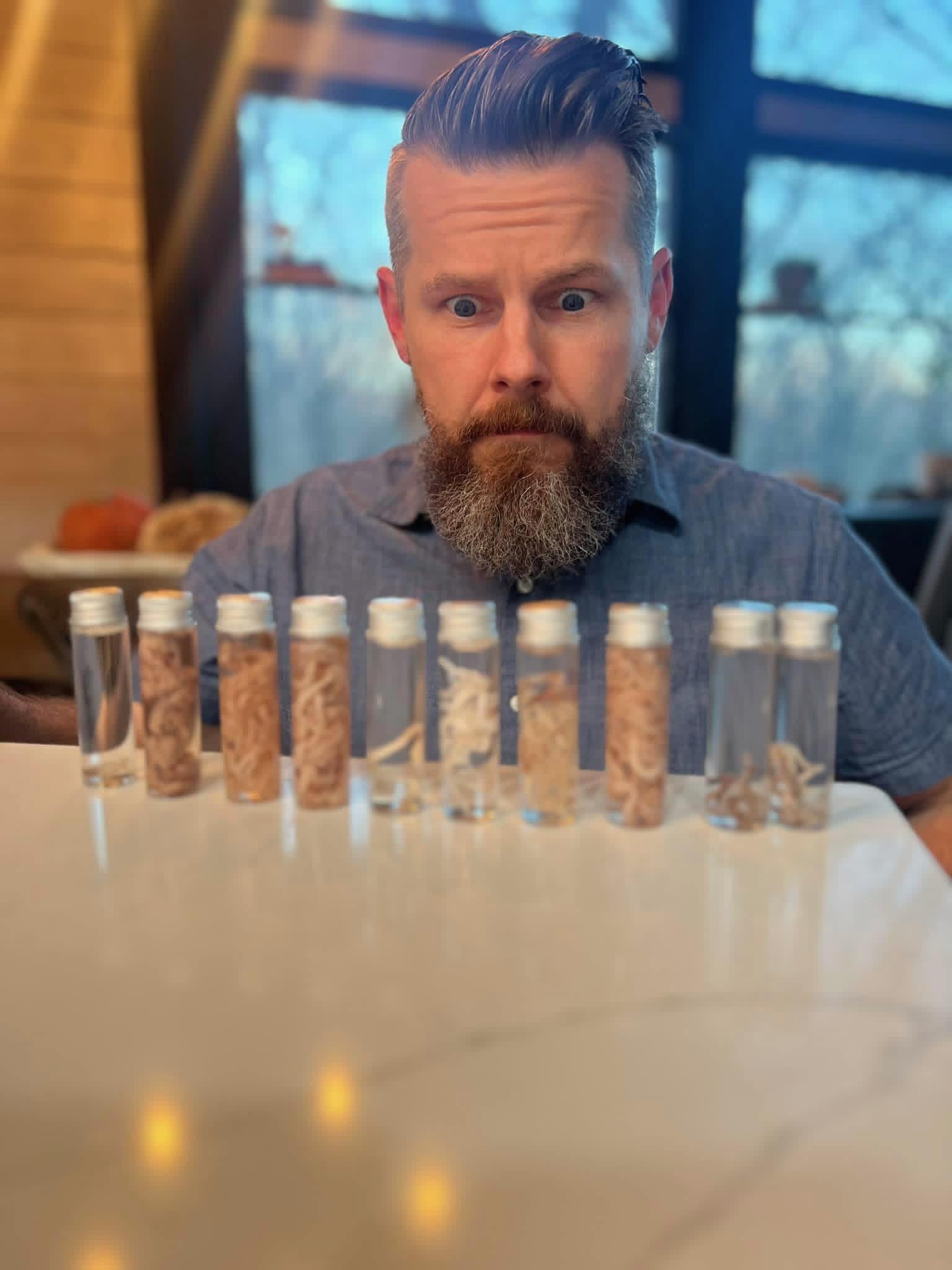
There’s a growing body of research exploring something most people have never even been told to consider: parasites and their potential role in cancer.
Certain parasitic infections have already been linked to specific cancers. For example, liver flukes have been associated with bile duct cancer, and chronic infections can create long-term inflammation, immune suppression, and cellular damage, all of which are known contributors to tumor development.
The real question is not whether parasites can be involved; it is how often they are being overlooked.
As far back as 1889, surgeons presenting before the Academy of Sciences in Paris reported observing microscopic organisms in cancer tissue. They described “animalcules,” small organisms resembling lice, found in the cancers they examined.
So the question becomes unavoidable. Has this information been buried? And if so, why?
For decades, the focus has been almost entirely on genetics, chemicals, and lifestyle. But what if part of the picture has been hiding in plain sight?
It may be time to start asking better questions and looking where few are willing to look.
In a recent observational study exploring the potential role of repurposed anti-parasitic medications in cancer care, researchers evaluated a cohort of nearly 200 cancer patients under a protocol using ivermectin and mebendazole — drugs traditionally used to treat parasitic infections.
After approximately six months, a large portion of participants reported either improvement or stabilization of their cancer, with some reporting tumor regression or no evidence of disease. The study presents this as a “clinical signal” suggesting these medications may have anti-cancer properties, potentially through mechanisms such as disrupting cellular pathways or targeting cancer stem cells.
However, the authors also acknowledge key limitations. The findings are based on self-reported outcomes, the study was observational, and it has not yet undergone full peer review. They emphasize that more rigorous, controlled clinical trials are needed before any definitive conclusions can be made about effectiveness or safety in cancer treatment.
Overall, the article frames this research as an early but provocative look at how therapies originally designed to target parasites could play a role in future cancer strategies, while stopping short of claiming it as a proven treatment.
-Dr. Tapper
About Dr. Ben Tapper
Dr. Ben Tapper is a Nebraskan chiropractor, physician, husband, and father of five who has become one of the most outspoken voices in the global movement for health freedom, personal sovereignty, and medical truth. A conservative warrior from Omaha, he is driven by one conviction: to stand boldly against corruption, censorship, and coercion—no matter the cost.
He first gained national attention in 2020 after his Omaha City Council speech opposing mask mandates went viral, reaching millions worldwide and launching his public mission. His refusal to remain silent led to intense censorship and his designation as one of the infamous “Disinformation Dozen”—a label he embraced as a badge of honor in his fight for free speech, informed consent, and transparency.
Dr. Tapper now stands on the front lines of the battle for civil liberties as a plaintiff in a landmark federal lawsuit challenging government and Big Tech censorship. He is the Executive Producer of the documentary The Time Is Now and host of The Dr. Ben Tapper Podcast, where he challenges dominant narratives and exposes institutional corruption.
Grounded in faith and guided by the belief that this battle is ultimately one of good versus evil, Dr. Tapper continues to defend truth, empower individuals, and fight for the future of his family and generations to come. His mission is simple: his convictions are greater than his complacency.